


Introduction
Picture this.
You've just helped a client close on their dream home. They're thrilled, you're celebrating, and then... crickets. Your phone isn't ringing, your inbox is quiet, and you're wondering where your next lead will come from.
Sound familiar?
The reality is that being a great agent isn't enough anymore. You need a real estate marketing strategy that consistently brings qualified buyers and sellers to your door. Without one, you're playing a guessing game with your business and income.
This guide breaks down exactly how to build a marketing strategy that positions you as the go-to agent in your market. Let's dive in.
Why Marketing Strategy Is Important
Real Estate Has Changed
The way people buy and sell homes has fundamentally shifted. According to the National Association of Realtors, 97% of home buyers now start their search online. Think about that for a second. Nearly every potential client is looking for you on the internet before they ever pick up the phone.
Traditional methods like door knocking, cold calling, and newspaper ads still have their place. But they're no longer enough on their own. Today's buyers are more informed than ever. They research neighborhoods, compare agents, read reviews, and look at listings long before they contact anyone.
If you're not active online, you're essentially invisible to modern buyers. They'll find your competitors instead.
Why You Need A Strategy
Here's the thing: without a clear marketing strategy, you're just another face in the crowd.
Every market has dozens or even hundreds of agents competing for the same clients. What makes someone choose you?
A cohesive real estate marketing strategy creates differentiation and memorability. It positions you as the obvious choice in your niche, whether that's luxury homes, first-time buyers, or specific neighborhoods. Brand recognition matters. When someone is ready to buy or sell, you want them thinking of you first.
That doesn't happen by accident. It happens when you consistently show up in the right places with the right message.
Real Estate Marketing Strategy

Create A Brand
Define Your Unique Value Proposition
Before you spend a dollar on marketing, you need to know who you serve and what makes you different. This is your unique value proposition.
Start by identifying your niche:
- First-time buyers who need extra guidance
- Luxury homes where you can showcase high-end properties
- Commercial real estate for investors
- Specific neighborhoods where you know every street
Next, determine what differentiates you from competitors. Maybe you have deep roots in the community, use cutting-edge technology for virtual tours, or offer a unique selling process that saves clients time and money.
Clarify your target client persona. Get specific about who you're trying to reach. What are their pain points? What do they value most in an agent? What keeps them up at night about buying or selling?
For example, a strong value proposition might be: "I help first-time buyers in Portland navigate the competitive market with personalized guidance and zero pressure, making what feels overwhelming actually enjoyable."
Create Your Brand Identity
Once you know what you stand for, it's time to make it visual and consistent.
Start with your business name. If you're not using your personal name, develop something memorable that reflects your niche and values. Design a professional logo and choose a color scheme that you'll use across everything. Your brand colors should appear on your website, business cards, social media, yard signs, and marketing materials.
Establish your brand voice and messaging. Are you professional and buttoned-up? Friendly and approachable? Luxury and exclusive? Your tone should match your target audience and feel authentic to you.
Create consistent visual elements for all marketing materials. This includes templates for social media posts, email signatures, listing presentations, and more. Don't forget the importance of professional headshots and a compelling bio. People want to know who they're working with, and first impressions matter.
We have a dedicated post that dives deeper into real estate branding if you want to explore this topic further.
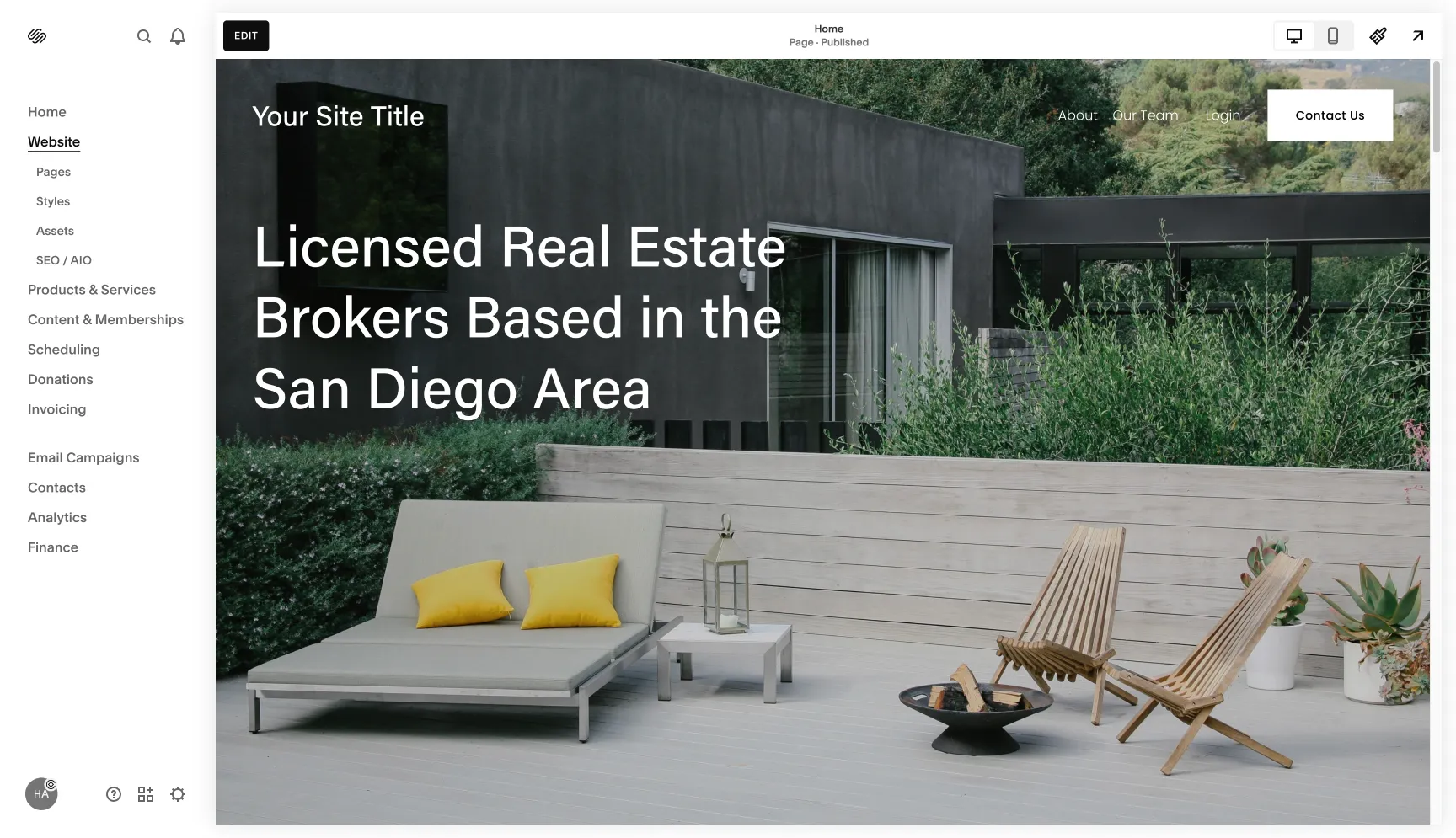
Build A Professional Real Estate Website
Your website is arguably your most important marketing asset.
Here's why having one is critical:
- First point of contact for many potential clients who Google you
- Demonstrates credibility as a serious, established professional
- Showcases your expertise through content, testimonials, and track record
- Central hub where people take action (schedule consultations, view listings, download guides)
- Destination for all traffic from social media, email, and advertising
- Builds equity in your own domain instead of someone else's platform
The lack of a website raises red flags for modern buyers and sellers. It signals you might not be tech-savvy or serious about your business.
We have a full breakdown of this on our post about how to build a real estate website.
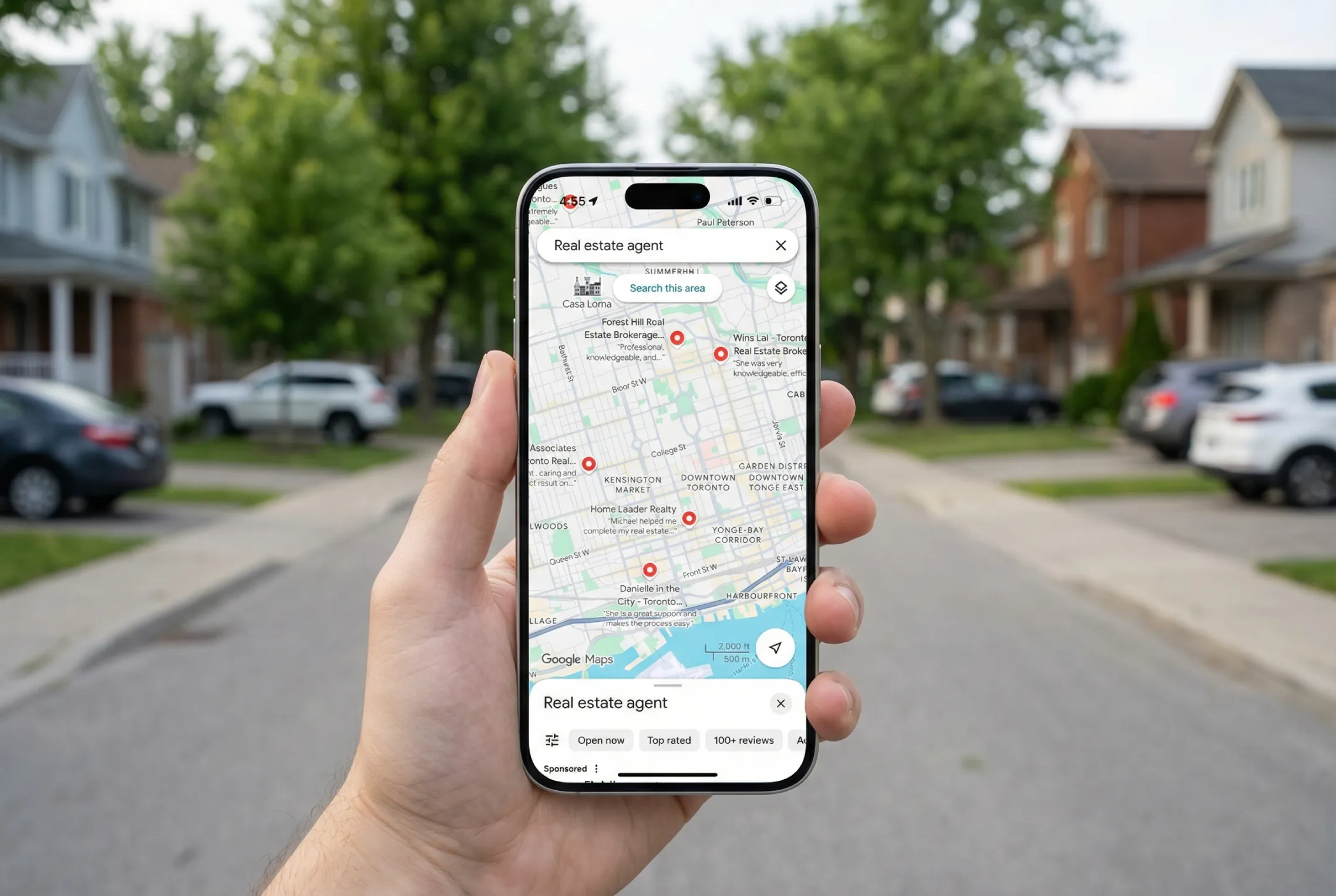
Local SEO
Local SEO is how you get found when someone searches for "realtor in [your city]" or "homes for sale in [neighborhood]." It's one of the highest ROI marketing channels because these searchers have high intent.
Optimize Your Site Experience
First impressions happen in seconds. Your website needs:
- Eye-catching design that looks professional and modern
- Fast loading speeds (under 3 seconds is ideal)
- User-friendly navigation with logical menu structure
- Mobile responsiveness for the 50%+ of traffic from phones
- Clear calls-to-action guiding visitors toward the next step
Every page should guide visitors toward contacting you, browsing listings, or downloading a guide.
Optimize Your Site Content
Your content needs to match what people are searching for.
Include key pages like Home, About, Blog, and Contact. If you're a large, well-known brokerage with significant traffic, add a Properties page.
Each page should include relevant keywords in the title and content. For example, "Top Realtor in Downtown Seattle" or "Buy Homes in Austin." Focus on one primary keyword per page to avoid confusion.
Create location-specific landing pages for each neighborhood you serve. These pages should include information about the area, recent sales, current listings, and why it's a great place to live.
Include relevant images and videos with proper file naming. Instead of "IMG_1234.jpg," use "modern-kitchen-downtown-seattle.jpg." This helps search engines understand what the image shows.
Feature testimonials and success stories prominently. Social proof builds trust and credibility.
Google Business Profile
Your Google Business Profile (formerly Google My Business) is free and incredibly valuable for local SEO.
Here's what to do:
- Create and verify your listing if you haven't already
- Complete all profile sections (hours, service area, description, categories)
- Add high-quality photos of yourself, your office, and the local area
- Encourage and respond to reviews from satisfied clients
- Post regular updates about listings, market trends, or helpful tips
Google rewards active profiles with better visibility.
Build Citations
Build local citations by getting your business listed in local directories, chambers of commerce, and real estate-specific sites.
Consistency is key. Make sure your name, address, and phone number are identical across all platforms.
Create Local Blog Content
Create locally-focused blog content about the areas you serve. This attracts leads through organic search and positions you as a neighborhood expert.
Use Google's auto-suggest, FAQs, and keyword research tools to find topic ideas and create a content strategy. Type "buying a home in [your city]" into Google and see what questions pop up.
Topic ideas include:
- Local market trends and analysis
- Buying and selling guides specific to your area
- Neighborhood spotlights with hidden gems
- Home maintenance tips for local climate
- Local event coverage and community news
Earn Backlinks
Once you publish at least 10 pieces of content on your site, you need internal links between related articles to build topical relevance. This is very important for SEO.
You'll also need to earn backlinks from other websites to improve your site's authority and ranking power. Focus on high-quality links from local newspapers, community websites, and real estate publications.
Guest posting on local blogs, getting featured in news articles about the market, and partnering with local businesses are all ways to earn valuable backlinks.
We have a dedicated post on real estate SEO strategy if you want to dig deeper.
Social Media
Social media lets you build relationships, showcase properties, and stay top-of-mind with your audience.
The key is choosing the right platforms and staying consistent.
Choose the Right Platform
You don't need to be everywhere. Focus on the platforms where your target audience spends time.
- Facebook is best for community engagement. Join and participate in local Facebook groups where homeowners and potential buyers gather. Share valuable insights without being overly promotional.
- Instagram excels at visual storytelling. Use it for property showcases, before-and-after renovations, and behind-the-scenes content on your story feature. This platform works particularly well for luxury properties and lifestyle branding.
- LinkedIn is ideal for professional networking, commercial real estate, and connecting with investors. If you work in commercial or high-end residential, this is your platform.
- YouTube is best for long-form content like full property walkthroughs, neighborhood tours, market update vlogs, and educational videos. Video content is incredibly engaging and helps people get to know you.
Develop A Content Calendar
Consistency matters more than perfection.
Create a content calendar with a mix of content types:
- Property listings and virtual tours
- Market updates and statistics
- Home buying and selling tips
- Community highlights and local events
- Personal brand content and behind-the-scenes
Posting frequency recommendations: Facebook and Instagram benefit from daily posts or at minimum 3-4 times per week. LinkedIn can be 2-3 times per week. YouTube works well with weekly uploads if you can maintain that pace.
Best times to post for real estate audiences are typically weekday mornings (7-9am), lunch hours (12-1pm), and evenings (6-8pm). Test different times and see what works for your audience.
Seasonal content planning helps you stay relevant. Spring market tips in March and April, holiday home staging in November and December, tax season advice in February and March.
Balance promotional content with educational content. Follow the 80/20 rule: 80% value-driven content that educates or entertains, 20% promotional content about your listings and services.
We have a post on real estate social media strategy that goes into much more detail.
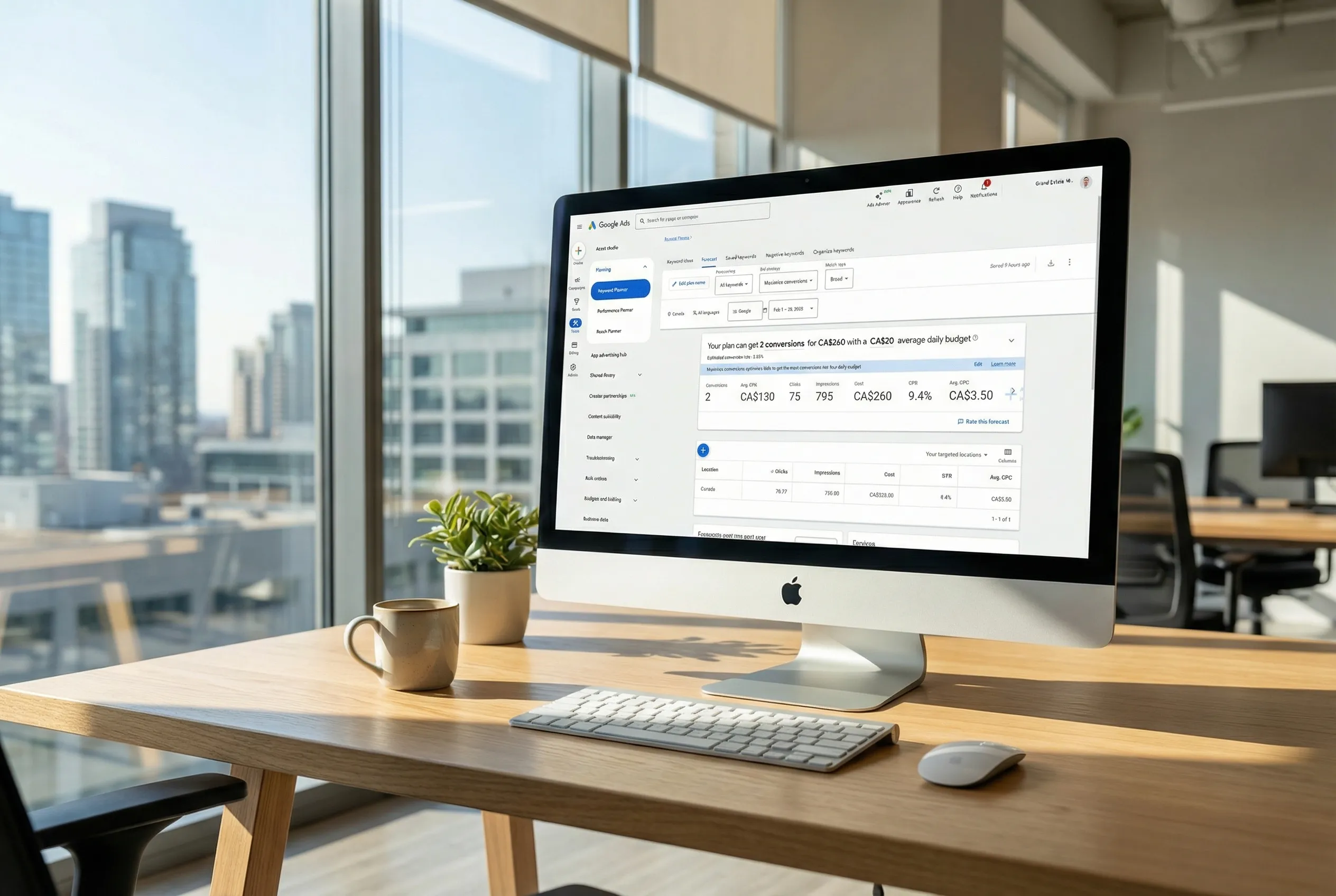
Paid Ads
Organic marketing is crucial, but paid ads can accelerate your results when done correctly.
Google Ads
Google Ads let you appear at the top of search results for high-intent keywords like "homes for sale in [city]" or "buy house [neighborhood]."
Search ads target people actively looking for properties or agents right now. These leads tend to be further along in the buying process. Start with a clear budget, target specific locations where you work, and use ad extensions to include your phone number, address, and links to specific pages.
We have a post on real estate Google ads strategy that covers campaign setup and optimization.
Social Media Ads
Facebook and Instagram ads are powerful for listing promotion and lead generation. The targeting options are incredibly detailed.
You can target by:
- Demographics (age, income, homeownership status)
- Location (specific zip codes or radius around an area)
- Behaviors (recently moved, likely to move)
- Lookalike audiences based on your existing clients
Start with a small budget to test different ad formats, audiences, and messaging. Once you find what works, scale up your spending.
We have a post on real estate social media ads strategy with step-by-step guidance.
Networking
Never underestimate the power of good old-fashioned relationship building.
Your network is your net worth in real estate.
Connect with mortgage lenders, home inspectors, contractors, and other professionals who serve the same clients. These partnerships create cross-promotion opportunities and a steady stream of referrals. Set up formal referral agreements and systems. Make it easy for your network to send clients your way and reciprocate when possible.
Here's how to expand your network:
- Join local business organizations and chambers of commerce
- Sponsor local events and sports teams for brand recognition
- Volunteer and give back to causes you care about
- Host community events (market seminars, first-time homebuyer workshops, charity drives)
Position yourself as an educator and resource, not just a salesperson. People do business with people they know and trust.
How To Track Results
You can't improve what you don't measure.
Tracking your marketing results helps you double down on what works and cut what doesn't.
A CRM (Customer Relationship Management system) is highly recommended to get insights on incoming leads. Track where each lead comes from so you know which marketing channels produce the best results.
Key metrics to monitor:
- Website analytics (traffic, bounce rate, conversions, lead sources)
- Social media engagement rates (likes, comments, shares, best-performing posts)
- Cost per lead and cost per acquisition for paid advertising
- Lead-to-client conversion rates (percentage of leads that actually close)
- ROI by marketing channel (which channels bring the most clients)
If you're spending $500 per month on Facebook ads and $500 on Google ads, which one brings more clients? Shift your budget accordingly.
Conclusion
A successful real estate marketing strategy requires a multi-channel, integrated approach. You can't rely on just one tactic and expect consistent results.
Start with your foundation by building your brand, website, and local SEO presence. These assets compound over time and give you a stable base to build on. Once your foundation is solid, expand into social media, paid advertising, and networking. Each channel supports and amplifies the others.
Consistency and patience are key. Marketing results take time. You won't see massive changes overnight, but if you stick with it, the compound effect is powerful.
If this feels overwhelming, don't try to do everything at once. Start with 2-3 strategies that align with your strengths and target audience. Master those, then expand from there.
Your real estate marketing strategy is your business growth engine. Invest in it, refine it, and watch your pipeline fill with qualified leads who already know, like, and trust you.