

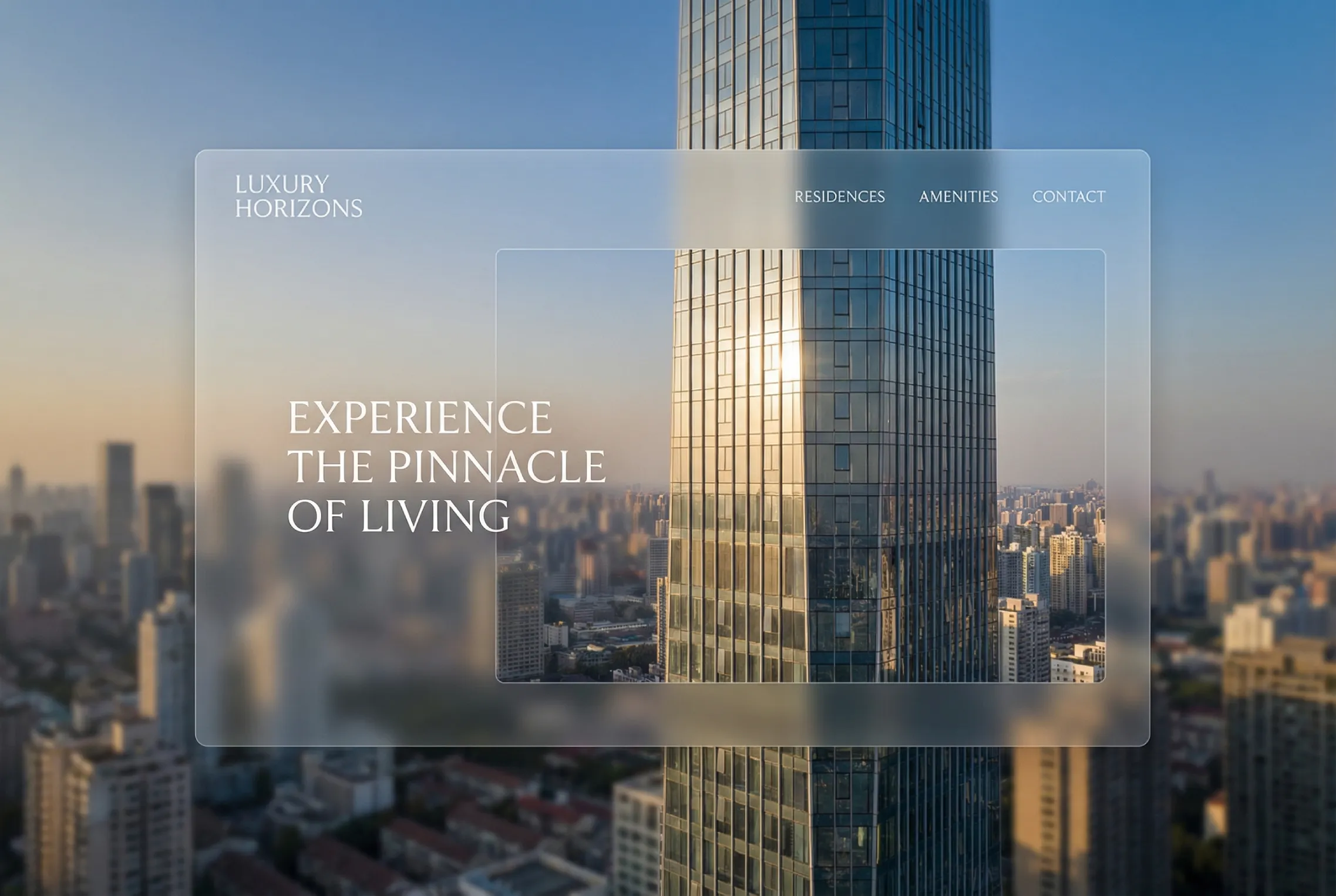
What Is a Single Property Website in Real Estate?
A single property website is a standalone website created to market one specific property or real estate development. Instead of living inside an MLS listing, brokerage website, or portal page, the property gets its own dedicated digital space, often with its own domain or subdomain.
Think of it as a focused, end-to-end experience built entirely around one address.
How Single Property Websites Differ from Traditional Listing Pages
At first glance, a single property website and a standard listing page may seem similar. Both show photos, basic details, and contact options. The difference shows up once you look at how buyers actually use them and what control the seller or marketer really has.
Single property websites are built for depth and intent. Traditional listing pages are built for scale.
1. Control Over Branding and the Property Narrative
Traditional listing pages follow fixed templates. The structure, layout, and order of information are largely predetermined. This keeps things consistent across thousands of listings, but it also limits how a property can be positioned.
A single property website flips that model.
With a dedicated site, brokerages and developers control:
- The visual hierarchy, including which images and videos lead the experience
- The story being told, from architectural intent to lifestyle benefits
- The pacing of information, rather than forcing everything into a single scroll
On large portals like Zillow and Realtor.com, branding is secondary. The platform comes first, the listing comes second, and the agent or developer often comes last. On a single property website, the property and its story are the product.
For developers, this is especially valuable. A development is rarely just a collection of units. It is a concept, a location strategy, and a long-term vision. That level of nuance rarely fits into a standardized listing format.
2. Ownership of Traffic, Data, and Lead Flow
Another major difference comes down to ownership.
When traffic goes to a portal or MLS listing, the platform controls the experience and the data. Visitor behavior, engagement patterns, and even lead routing are often opaque or shared with competitors.
Single property websites give that ownership back to the brokerage or developer.
This includes:
- First-party analytics on how visitors interact with the property
- Clear visibility into which content drives inquiries
- Lead capture without competing ads or suggested alternatives
This data is not just useful for one sale. It informs future pricing strategies, marketing messages, and even design decisions for upcoming projects.
3. Buyer Experience and Decision Momentum
Traditional listing pages are designed for comparison. Buyers jump between properties quickly, scanning and filtering. That works well at the top of the funnel, but it can slow decision-making once interest is serious.
Single property websites support momentum instead of interruption.
They do this by:
- Keeping the buyer focused on one option
- Providing context before questions arise
- Making next steps feel natural rather than forced
Instead of clicking “back to results,” buyers are guided toward actions like booking a showing, requesting details, or registering for updates.
Types of Single Property Websites
Not all single property websites serve the same purpose. The structure, content, and conversion strategy should change based on the type of property being marketed and how buyers typically evaluate it. When the format matches the property, the website feels more useful and less promotional.
Below are the most common types of single property websites, organized by property category.
1. Luxury and Estate Properties
Luxury properties require a slower, more considered experience. Buyers spend more time evaluating details and often revisit the site multiple times.
Single property websites for luxury homes tend to emphasize:
- Architectural intent and craftsmanship
- High-end finishes and material choices
- Privacy, exclusivity, and setting
These sites often include longer-form storytelling, richer media, and fewer but more deliberate calls to action. The goal is to support confidence, not urgency.
2. Condominium and Multifamily Developments
For condos and multifamily projects, the website often represents the entire project rather than a single unit.
Key focus areas include:
- Overall vision and positioning of the development
- Unit mix, floor plans, and shared amenities
- Location advantages and long-term livability
These websites frequently support registration-based access to pricing or availability, especially in pre-construction phases. They are designed to evolve as inventory and phases change.
3. Commercial Real Estate Properties
Commercial buyers and tenants evaluate properties differently. Decisions are more analytical and often involve multiple stakeholders.
Single property websites for commercial assets usually prioritize:
- Clear property data and specifications
- Location and access advantages
- Use cases and tenant suitability
Visuals still matter, but clarity and organization are more important than emotional storytelling. Conversion points often involve requesting detailed information or arranging site tours.
4. Mixed-Use and Large-Scale Projects
Mixed-use projects combine multiple property types and audiences, which makes a single, unified website especially valuable.
These websites are structured to:
- Explain how residential, retail, and commercial elements work together
- Address different user groups without fragmenting the experience
- Support long-term engagement across multiple phases
Because these projects unfold over time, the website functions as an ongoing communication platform rather than a one-time marketing asset.
5. Land and Development Sites
Land listings require more explanation than built properties. Buyers need to understand potential, not just current condition.
Effective land-focused single property websites highlight:
- Zoning, entitlements, and development potential
- Location context and surrounding growth
- Visualizations or conceptual plans when available
These sites help buyers quickly assess feasibility while reducing back-and-forth questions.
Core Components of an Effective Single Property Website
A single property website works best when every element serves a clear purpose. The goal is not to include everything possible, but to include the right things in the right order. Strong sites balance clarity, emotion, and usability while keeping the focus on one property and one decision.
Below are the components that consistently separate high-performing single property websites from basic digital brochures.
1. High-Impact Visual Media
Visuals set expectations before a single word is read. For many buyers, they determine whether the property feels worth further attention.
Effective single property websites typically include:
- Professionally staged photography that reflects how the space is meant to be lived in
- Video content that shows flow, scale, and natural light
- Aerial or drone imagery to provide location context and surroundings
- Interactive floor plans or 3D tours for spatial understanding
The key difference here is intent. Visuals are not just uploaded, they are sequenced. A hero image establishes mood. Supporting media fills in detail. Deeper assets are available for buyers who want to explore further.
This layered approach keeps casual visitors engaged while giving serious buyers the depth they need.
2. Property Storytelling That Adds Context
Most listings describe what a property has. Strong single property websites explain why it matters.
This is where storytelling plays a practical role. Not marketing fluff, but real context that helps buyers connect the dots.
Useful storytelling elements include:
- Design choices and architectural rationale
- How the layout supports daily routines or entertaining
- What makes the property distinct within its market
For developers, this often means explaining the vision behind the project. For brokerages, it means translating features into lived experience. The goal is clarity, not hype.
3. Location and Neighborhood Intelligence
Location data is often treated as an afterthought on listing pages. On a single property website, it becomes part of the value narrative.
Instead of long lists of nearby amenities, effective sites focus on relevance:
- Walkability and transit access explained in plain language
- Schools, parks, and services that match the likely buyer profile
- Local lifestyle cues that help buyers imagine daily life
This information builds confidence. Buyers feel informed without feeling overwhelmed.
4. Clear, Thoughtful Conversion Points
A single property website should guide visitors toward action, but timing matters. Strong sites avoid pushing too early or too aggressively.
Common conversion options include:
- Booking a private showing
- Requesting a brochure or floor plans
- Registering for pricing or availability updates
The best-performing sites match conversion options to buyer intent. Early-stage visitors explore. Later-stage visitors engage. The website supports both without pressure.
SEO & Marketing Advantages of Single Property Websites
Beyond presentation, single property websites play a strategic role in how a listing or development is discovered online. They give brokerages and developers more control over visibility, messaging, and performance across organic and paid channels.
1. Search Visibility and Keyword Ownership
Most listing pages compete for attention on shared platforms. A single property website competes on its own terms.
Because the site is dedicated to one address or project, it can be optimized around highly specific search intent, such as:
- The property address
- The building or development name
- Branded searches tied to a signature listing
This matters because buyers often search directly for properties once interest is established. When a dedicated website ranks for those searches, it becomes the most complete and accurate source of information available.
Over time, this also builds authority. As the site earns backlinks, engagement, and branded searches, it becomes harder for generic portal pages to displace it.
2. Cleaner Landing Pages for Paid Campaigns
Paid media performs best when ads lead to focused, relevant landing pages. Single property websites are well suited for this role.
Compared to portal or brokerage listing pages, they offer:
- Message alignment from ad to page
- No competing listings or distractions
- Clear, property-specific calls to action
This is especially effective for campaigns run through platforms like Google Ads, where relevance and engagement directly affect performance and cost efficiency.
Instead of sending traffic to a page designed for browsing, marketers send it to a page designed for decision-making.
3. Better Insight Into Buyer Behavior
Because the website is owned and controlled by the brokerage or developer, analytics are clearer and more actionable.
Single property websites make it easier to understand:
- Which content visitors spend the most time on
- Where interest drops off
- What prompts inquiries or registrations
These insights can influence more than marketing. They can inform pricing discussions, presentation order, and even future design or amenity decisions.
When marketing data connects directly to one property, it becomes easier to translate insight into action.
4. Long-Term Value Beyond One Campaign
Unlike temporary ads or social posts, a single property website can continue delivering value even after a sale or phase completion.
For brokerages, it becomes a case study and proof point.
For developers, it remains a searchable reference tied to the project name.
In both cases, the site contributes to long-term digital equity rather than short-term exposure alone.
Measuring ROI and Performance
Single property websites give brokerages and developers something that is often missing in real estate marketing: clarity. Because everything points to one destination, it becomes much easier to understand what is working and why.
Metrics That Actually Matter
Page views alone do not tell the full story. What matters more is how visitors behave once they arrive.
Useful performance indicators include:
- Time on site, which shows whether buyers are actually engaging with the content
- Scroll depth, which helps identify which sections hold attention
- Return visits, a strong signal of serious interest
- Lead actions, such as showing requests or registrations
These metrics help distinguish casual traffic from real intent. A site with fewer visitors but deeper engagement often performs better than one with high traffic and low interaction.
Connecting Website Data to Sales Outcomes
One of the biggest advantages of a single property website is attribution. When the website is the central hub, it becomes easier to connect marketing activity to real outcomes.
Brokerages and developers can more confidently answer questions like:
- Which campaigns generated the most qualified inquiries
- Which content influenced buyers before they reached out
- How long buyers interacted with the site before converting
This insight supports better decisions around pricing conversations, marketing spend, and launch timing.
Using Performance Data to Improve Future Listings
The value of this data extends beyond a single transaction.
Patterns emerge over time, such as:
- Which visuals consistently perform best
- What types of messaging resonate with different buyer segments
- How information order affects engagement
For developers, this can influence future project positioning. For brokerages, it can refine listing strategies across similar property types.
Instead of relying on assumptions, teams can build on real, property-level insight.
When performance is measured this way, a single property website becomes more than a marketing tool. It becomes a learning asset that improves results over time.
When a Single Property Website Makes Sense (and When It Doesn’t)
Not every listing needs a dedicated website. Knowing when to use one is just as important as knowing how to build one.
Scenarios Where a Single Property Website Adds Real Value
Single property websites tend to perform best when:
- The property is unique or difficult to compare
- The price point involves longer decision cycles
- The marketing goal includes education, not just exposure
- The property represents a strategic brand opportunity
This includes luxury homes, architecturally distinct properties, and most new developments.
Situations Where It May Be Unnecessary
In fast-moving markets with highly standardized inventory, a single property website may not materially change outcomes.
Examples include:
- Entry-level homes with strong existing demand
- Markets where listings sell primarily on price and speed
- Situations where marketing resources are extremely limited
In these cases, simpler listing strategies may be more efficient.
The key question is whether the property benefits from deeper storytelling and focused attention. If the answer is yes, a single property website is often justified.
Examples of Single Property Websites
Seeing is believing, so let's look at some well-executed examples:
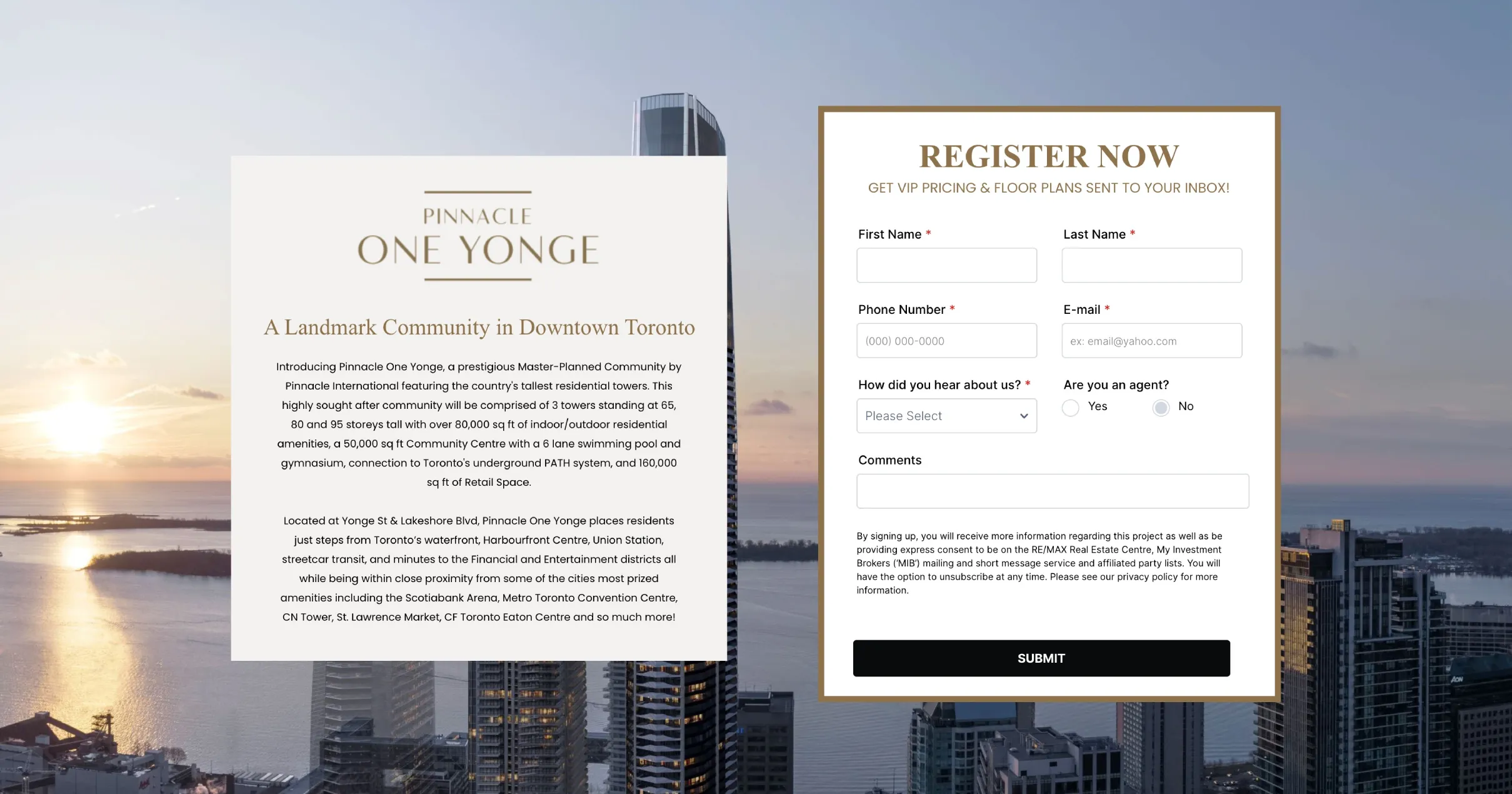
1 Yonge Toronto presents a refined aesthetic with a calm, elegant palette, balanced layouts, and a strong emphasis on credibility and long-term value. The use of structured sections, editorial-style typography, and aspirational imagery creates a sense of prestige and trust, while clear registration forms and factual content keep the experience practical and conversion-driven without feeling overly promotional.

101 Spadina demonstrates clean, focused design that puts the property's architecture front and center. Navigation is intuitive and the visual hierarchy guides you through the most important information. The minimalist approach lets the building's design speak for itself without overwhelming visitors with unnecessary elements.
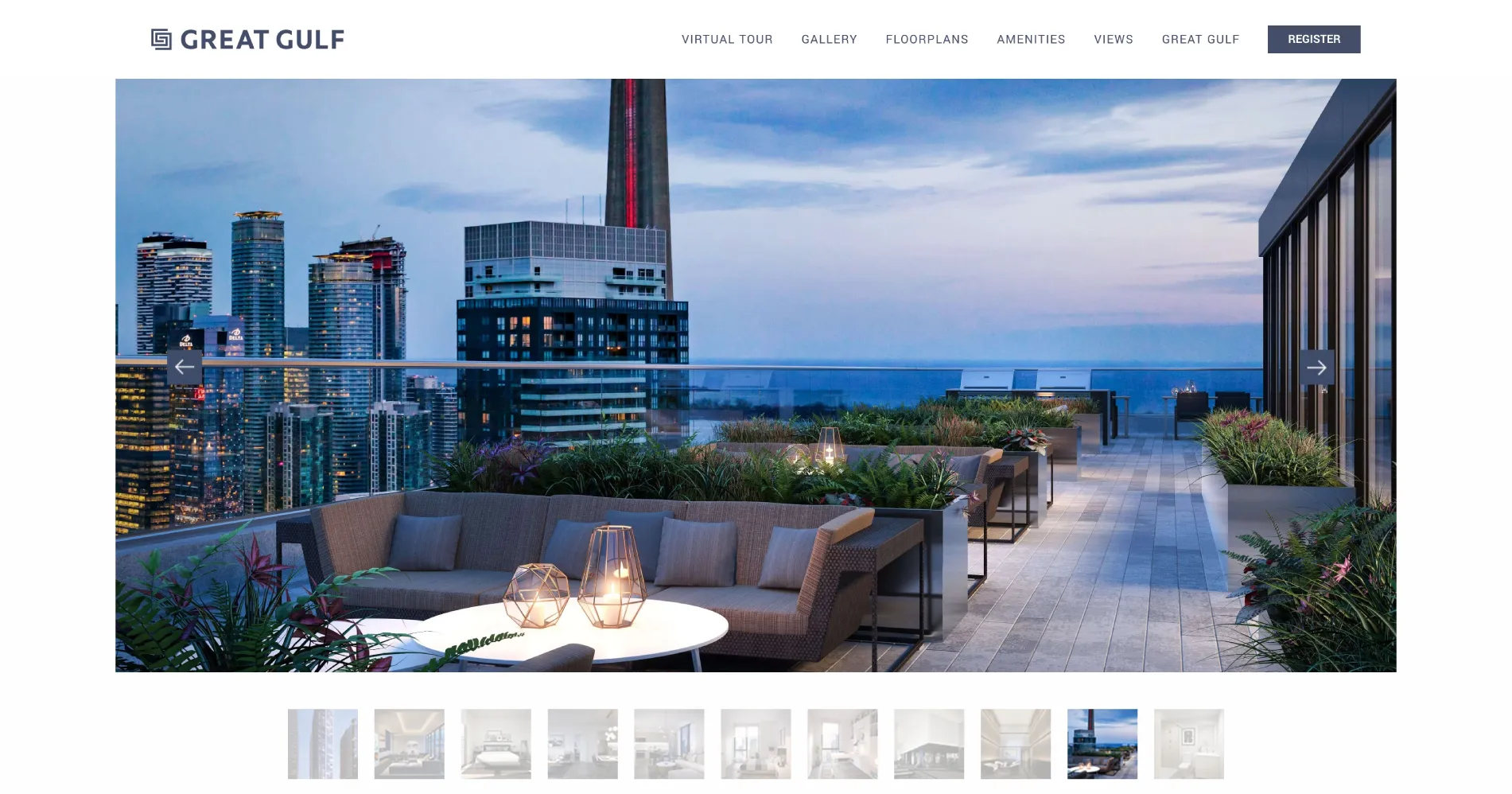
357 King delivers a sleek, upscale experience through bold imagery, a refined dark-toned palette, and a clear, story-driven layout that emphasizes lifestyle as much as the building itself. The strong visual hierarchy, minimal typography, and well-placed calls to action guide users smoothly from discovery to inquiry, making the site feel both aspirational and easy to navigate while effectively reinforcing the project’s premium urban identity.
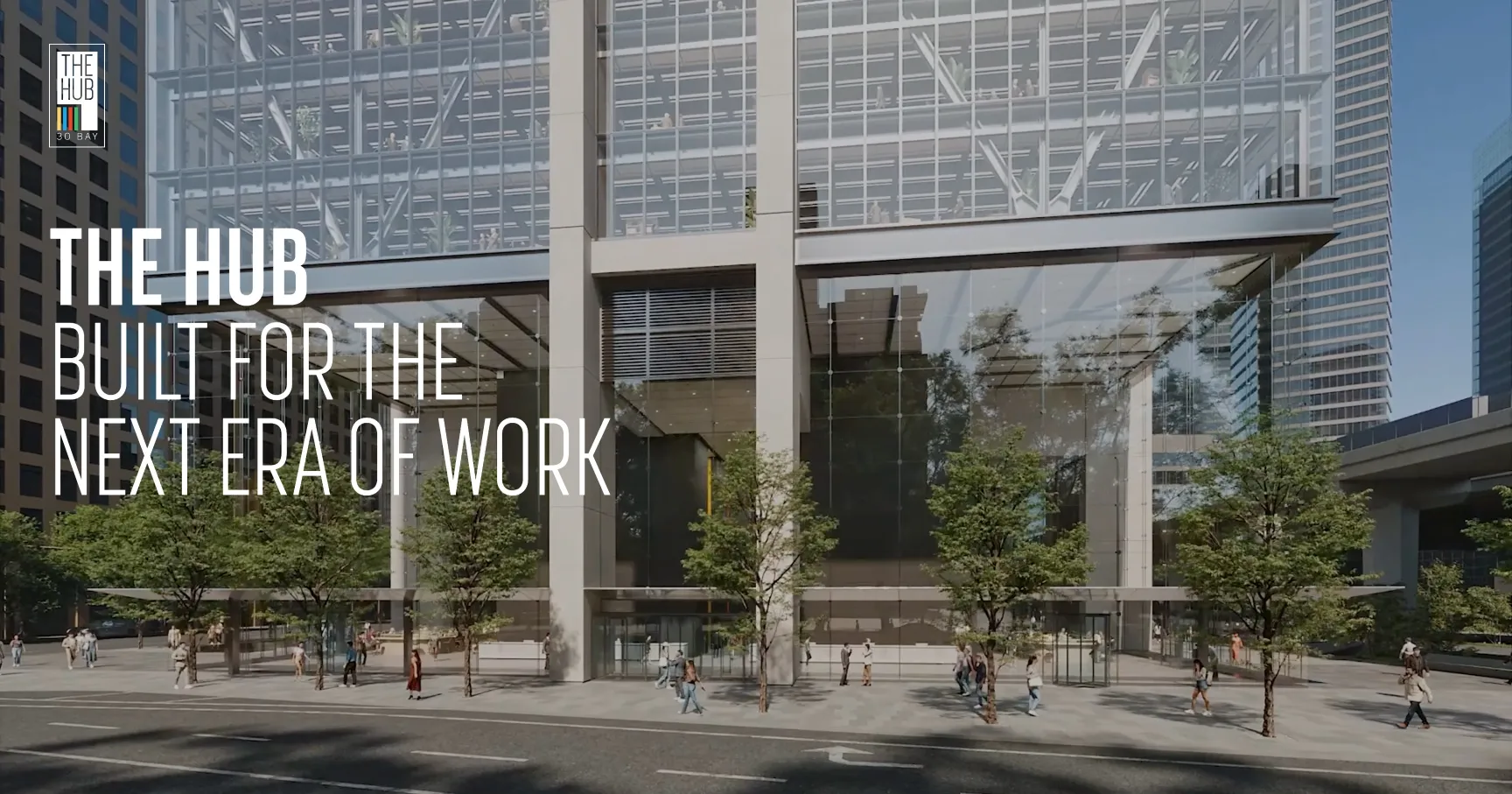
The Hub 30 Bay communicates a bold, future-forward workplace vision through immersive architectural imagery, confident typography, and a clear, benefits-driven narrative. The layout balances aspiration and clarity, pairing dramatic interior and city views with concise performance metrics, while strong contrast, minimal color accents, and a direct call-to-action reinforce its positioning as a premium, next-generation office destination.
Final Takeaway
Single property websites work because they respect how people make real estate decisions. They provide focus, clarity, and context in a market that often overwhelms buyers with options.
For brokerages, they reinforce professionalism, support seller confidence, and create lasting marketing assets.
For developers, they offer a flexible platform to educate, qualify, and engage buyers over time.
When built with purpose, a single property website is a strategic asset that supports better outcomes for everyone involved.
Ready to Create a Standout Single Property Website?
Building a single property website that truly performs requires more than just choosing a template and uploading photos. It demands strategic thinking about brand positioning, user experience, and conversion optimization.
If you're a brokerage with a luxury listing or a developer with a project that deserves exceptional digital marketing, we can help. Our real estate web design services are specifically crafted for premium properties and developments that need to make an unforgettable impression online.
Contact us to discuss how we can create a single property website that showcases your listing at its absolute best and turns online visitors into qualified buyers.