

The Home Building Market Has Changed
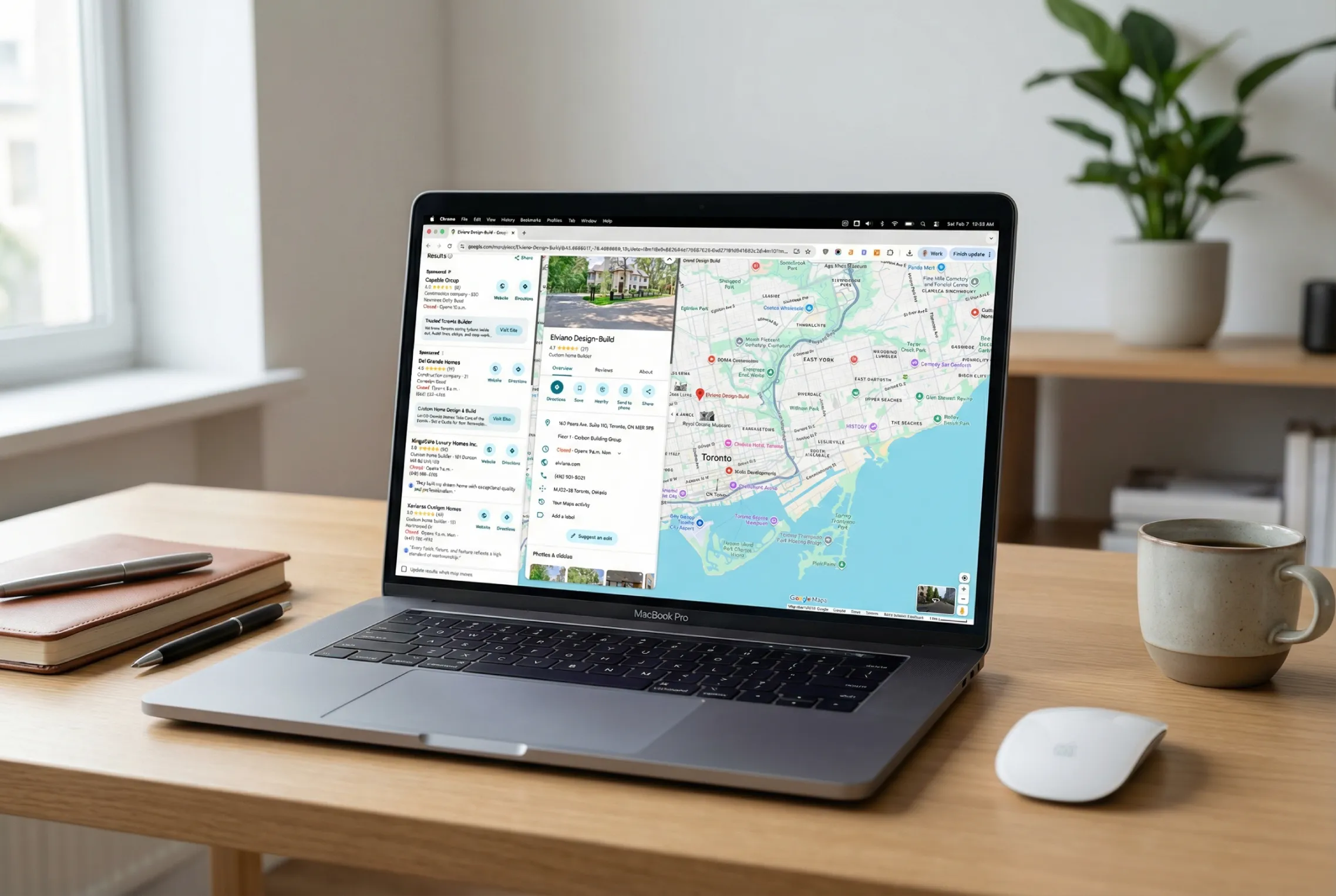
The home building industry has become increasingly competitive. Buyers today don't flip through the Yellow Pages or rely solely on word-of-mouth referrals. They pull out their phones and start searching online before they ever pick up the phone to call you.
If you're like most custom home builders, you've probably felt the pressure of inconsistent lead flow. Maybe you've noticed that referrals have slowed down, or that the leads you do get aren't quite ready to commit. Your sales cycles feel longer than they should, and you're spending more on marketing with less to show for it.
Your ideal clients are actively searching for you right now. They're typing phrases like "custom home builder near me" and "new construction homes in [your city]" into Google. The question is whether they're finding you or your competitors.
Why SEO Matters For Home Builders
Think about how you've researched major purchases in your own life. You probably started with Google. Your potential clients are doing the same thing when they're considering building a home, which is likely the biggest financial decision they'll ever make. That's why SEO for home builders has become one of the most important investments you can make in your marketing.
Home buyers actively search for builders, communities, floor plans, and locations throughout their journey. They want to understand their options, compare builders, and educate themselves before reaching out. SEO captures this demand at the exact moment buyers are researching.
When you compare SEO to paid advertising, the advantages become clear:
- Lower long-term cost because your content continues to work for you after the initial investment
- Higher trust from buyers who tend to trust organic search results more than ads
- Compounding results that get stronger as each piece of optimized content adds to your visibility
Paid ads require constant budget to maintain visibility. The moment you stop paying, your traffic disappears. SEO, on the other hand, builds a foundation that grows more powerful over time.
How SEO Works
Understanding the basics of SEO helps you make smarter decisions about your marketing strategy. Search engines like Google use automated programs called crawlers to discover and scan websites across the internet. These crawlers follow links from one page to another, building a massive database of web content.
Once Google discovers your pages, it indexes them by analyzing the content, images, and other elements to understand what each page is about. When someone searches for something related to your business, Google's algorithm decides which pages to show based on hundreds of ranking factors.
The most important factors fall into three main categories:
- Relevance determines whether your content matches what the searcher is looking for.
- Authority measures how trustworthy and credible your website is based on factors like backlinks from other reputable sites.
- User experience evaluates how easy your site is to use, including page speed, mobile-friendliness, and overall design.
Local SEO for home builders plays a critical role. Most of your clients come from specific geographic areas, so Google needs to understand where you operate and connect you with buyers in those locations. This is why your Google Business Profile, local citations, and location-specific content are so important.
Before Getting Started
Before diving into SEO tactics, You first need a website. If you're starting from scratch or need to rebuild your site, we have a separate post about how to build a home builder website that covers everything from choosing the right platform to designing pages that convert visitors into leads. Get your foundation right first, then optimize it for search engines.
Alternatively, if you don't have the time or lack the technical skills to build a professional website, you can hire web design experts to help you build an effective home builder website.
Once you have a solid website in place, you're ready to implement the SEO strategies below.
Home Builder SEO Strategy
Now let's break down the specific tactics that will improve your search visibility and bring more qualified leads to your business.
1. Keyword Research
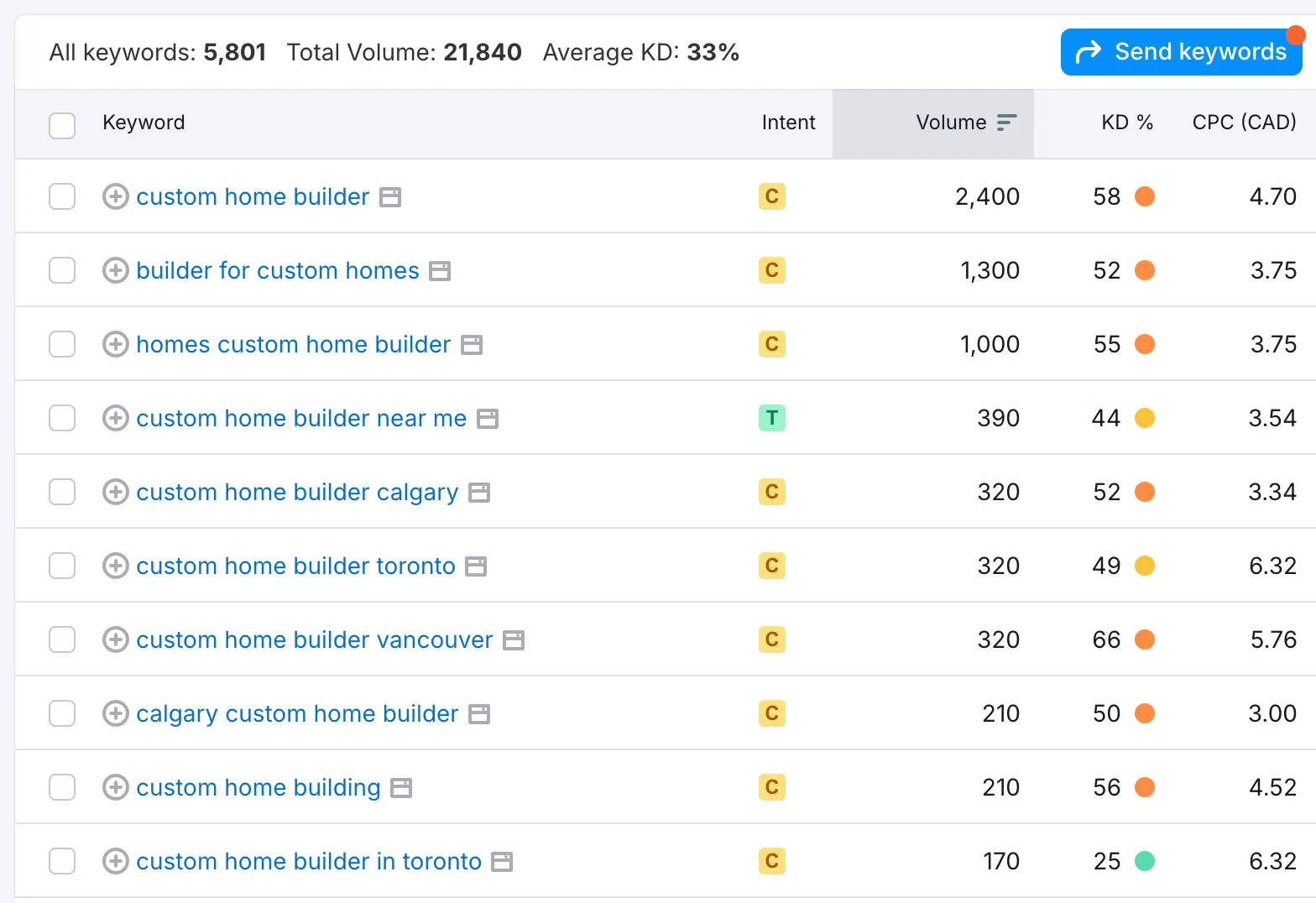
Keyword research is the foundation of your entire home builder SEO strategy. You need to understand what your potential clients are searching for at different stages of their journey.
Some buyers are in the early research phase. They're asking questions and trying to understand the process. Others are further along and ready to start interviewing builders. Your keyword strategy should address both groups.
Commercial keywords indicate that someone is ready to take action:
- "custom home builder [city]"
- "new construction homes [city]"
- "luxury home builder [region]"
These searchers are actively looking for a builder, which makes them high-value targets for your business. This is especially true for SEO for custom home builders, where buyers are further along in their decision and often ready to start conversations.
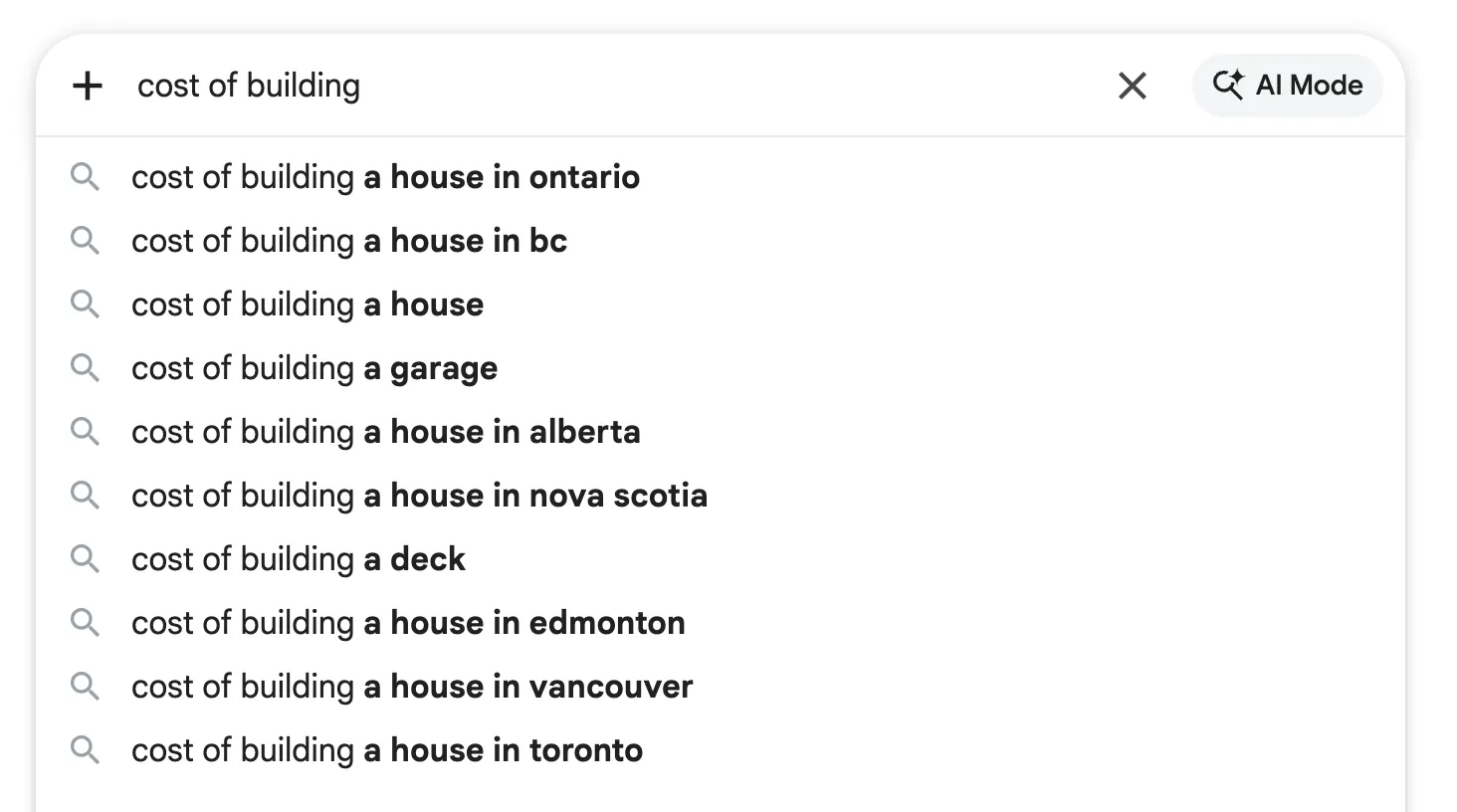
Informational keywords address buyers in the research phase:
- "cost to build a home in [state]"
- "custom vs production home builder"
- "home building timeline"
While these searchers might not be ready to hire you today, they will be eventually. By providing helpful content now, you build trust and stay top of mind.
Prioritizing your keywords requires considering several factors. Start with search intent. What is the person actually trying to accomplish with this search? Also evaluate local relevance because you want to focus on areas where you actually build homes. Look at competition level too. Sometimes a keyword with lower search volume but also lower competition will bring you better results than fighting for a highly competitive term.
Once you've identified your target keywords, map them to specific pages on your website. Commercial keywords should go on service pages and location pages. Informational keywords work well for blog posts and resource guides.
Google's autosuggest feature is a goldmine for keyword ideas. Start typing a search related to your business and see what suggestions appear. These are real searches that people are making. You can also use Ahrefs Free Tools to get additional data on search volume and difficulty.
2. On-Page SEO
On-page SEO is about optimizing individual pages on your website to rank higher and attract relevant traffic. Every element of your page sends signals to Google about what that page is about and whether it deserves to rank.
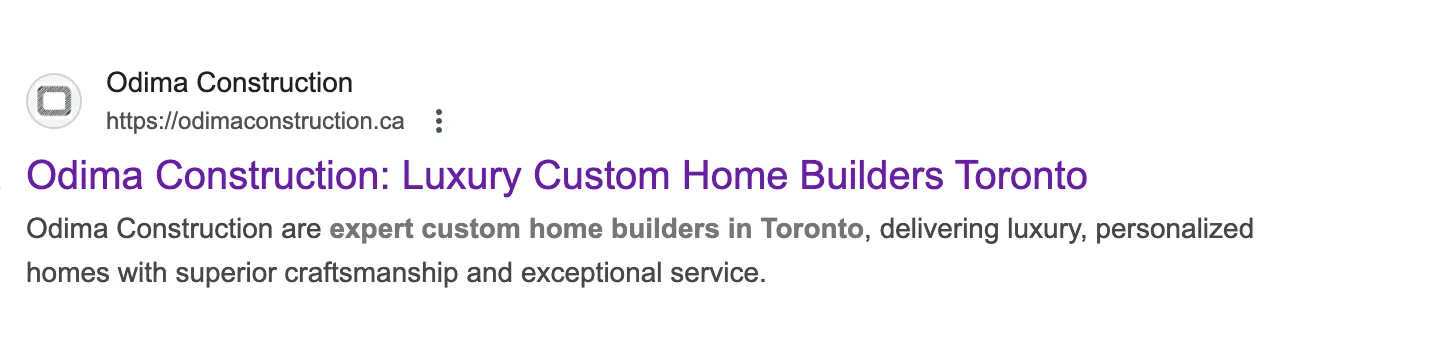
- Your title tags should include your target keyword plus your location and service. For example: "Custom Home Builder in Austin, Texas | [Your Company Name]". Keep it under 60 characters so it doesn't get cut off in search results.
- Meta descriptions don't directly impact rankings, but they do influence whether people click on your result. Write compelling descriptions that include your keyword and give people a reason to choose your link over the others. Aim for 150-160 characters.
- Your URL structure should be clean and descriptive. Use words that indicate what the page is about instead of random numbers or codes. For example, use "yourdomain.com/custom-homes-dallas" instead of "yourdomain.com/page?id=1234".
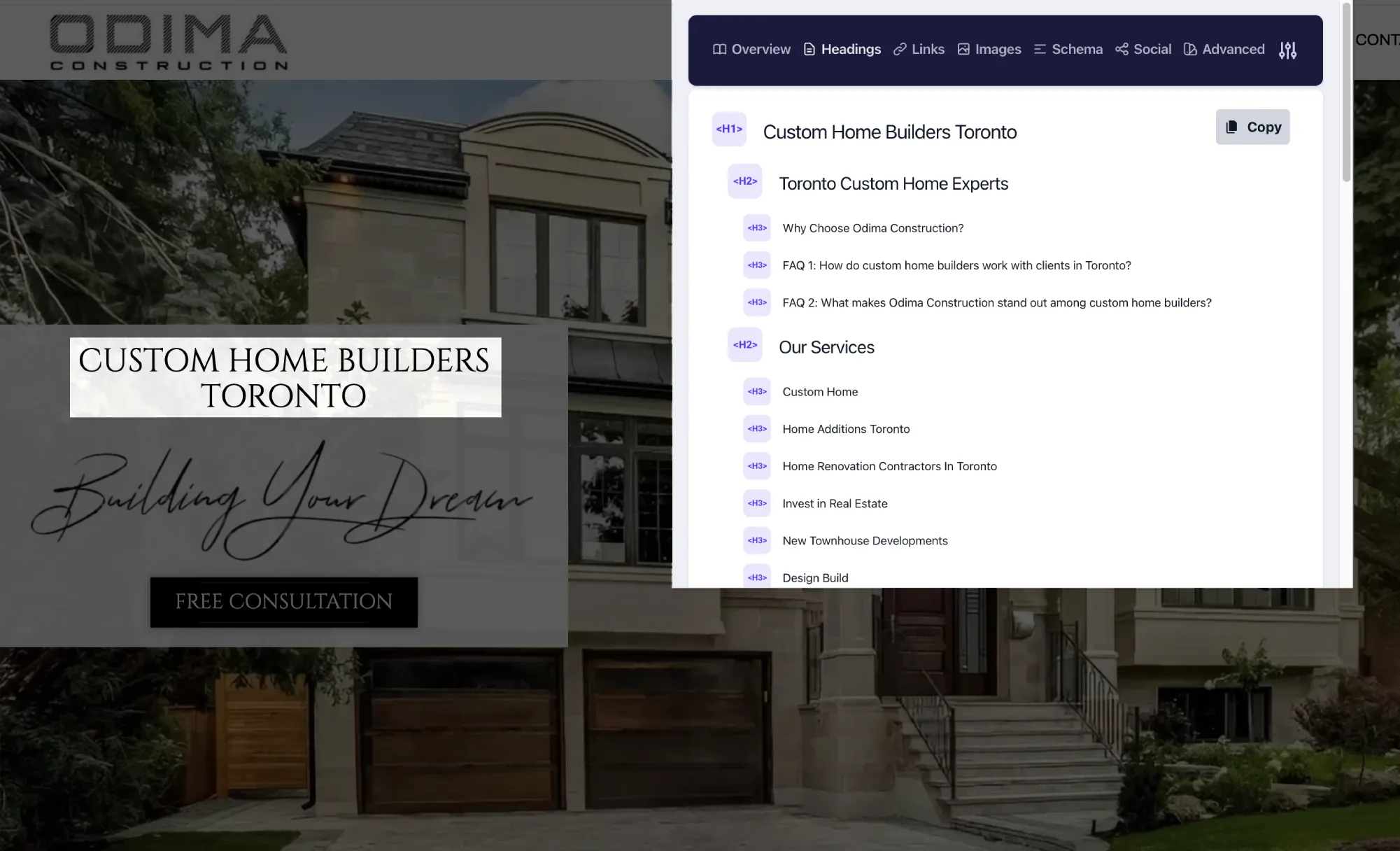
- Use header tags properly to organize your content. Your H1 should include your main keyword and clearly state what the page is about. Use H2s and H3s to break up your content into logical sections that are easy to scan.
- Internal linking helps search engines understand the structure of your site and spreads authority between your pages. Link from your service pages to relevant blog posts, and from blog posts back to your service pages. Use descriptive anchor text that tells the reader what they'll find when they click.
- For image optimization, rename your files before uploading them. Instead of "IMG_1234.jpg", use "custom-kitchen-design-austin.jpg". Add alt text to every image describing what the image shows. This helps search engines understand your images and makes your site more accessible. Also compress your images to improve page speed without sacrificing quality.
- Every page should have a clear call-to-action that tells visitors what to do next. Whether it's "Request a Quote," "Schedule a Consultation," or "Download Our Brochure," make it easy for interested buyers to take the next step.
Additionally, focus on creating a good page experience. Your content should be genuinely helpful and relevant to what the searcher is looking for.
3. Technical SEO
Technical SEO might sound intimidating, but the basics are straightforward and make a significant difference in how well your site performs.
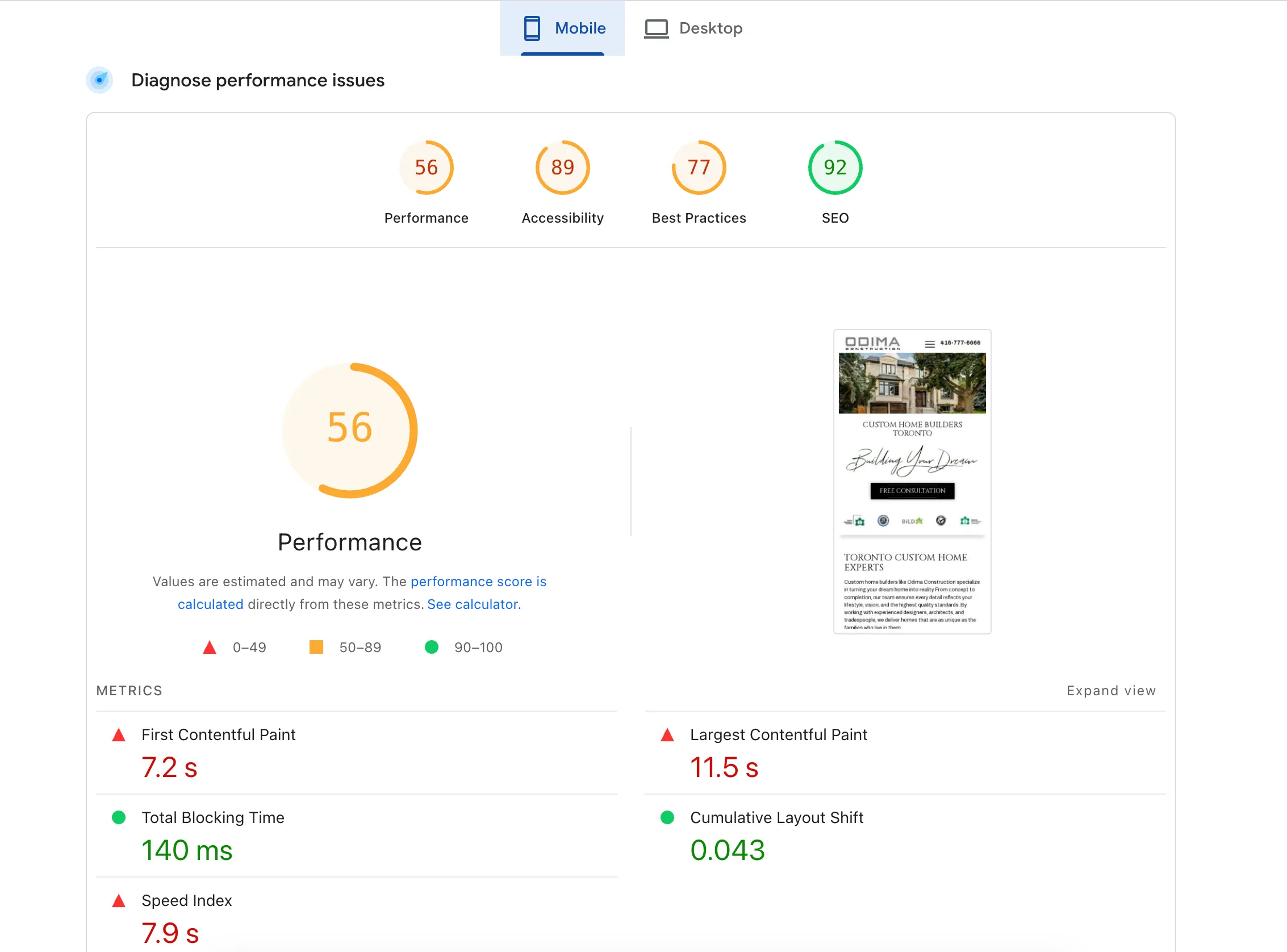
- Page speed affects both rankings and user experience. People won't wait around for a slow site to load, and Google knows this. Use tools like Google PageSpeed Insights to identify issues slowing down your site. Common fixes include compressing images, minimizing code, and leveraging browser caching.
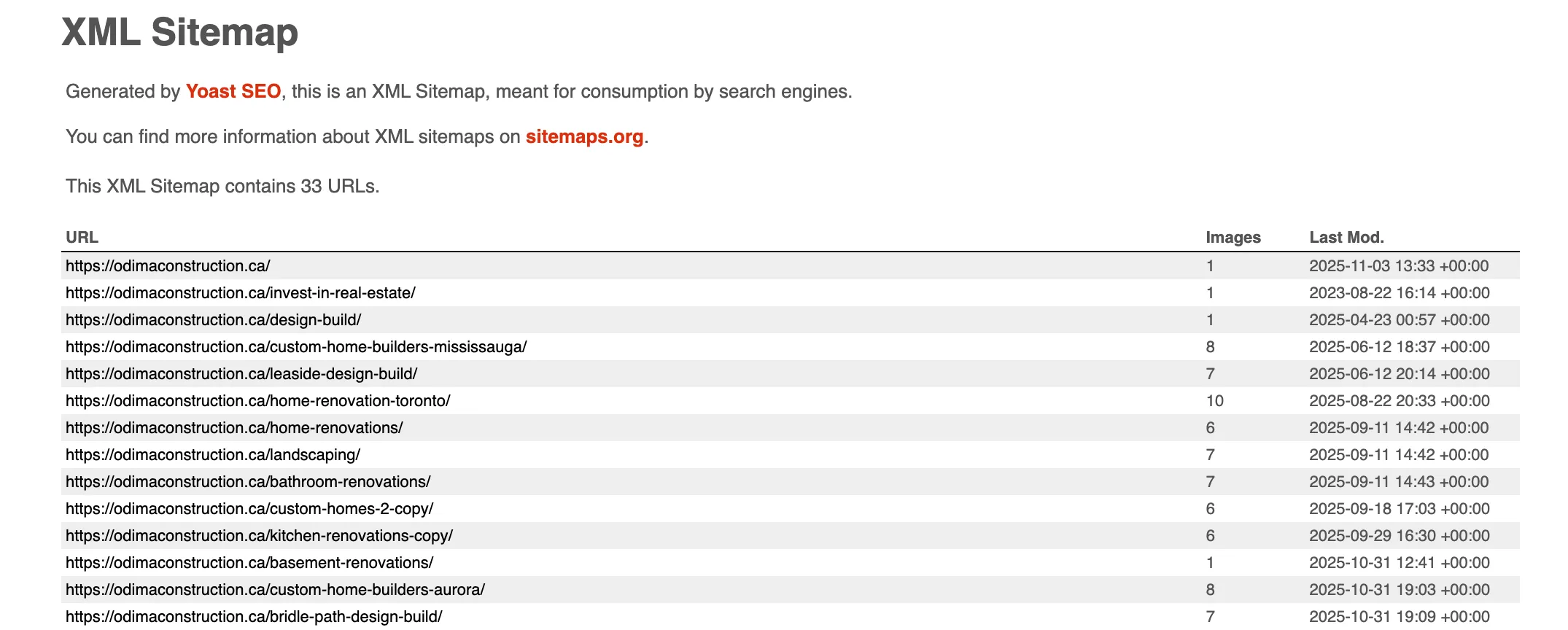
- Create and submit an XML sitemap to Google Search Console. This file tells search engines which pages exist on your site and helps them crawl your content more efficiently. Most modern website platforms can generate this automatically.
- Ensure proper indexing and crawlability by checking that important pages aren't blocked by your robots.txt file. You want Google to be able to access and index the pages that matter for your business.
- Fix broken links and crawl errors regularly. Broken links create a poor user experience and can waste crawl budget. Use tools like Google Search Console or the free version of Ahrefs Webmaster Tools to identify and fix these issues.
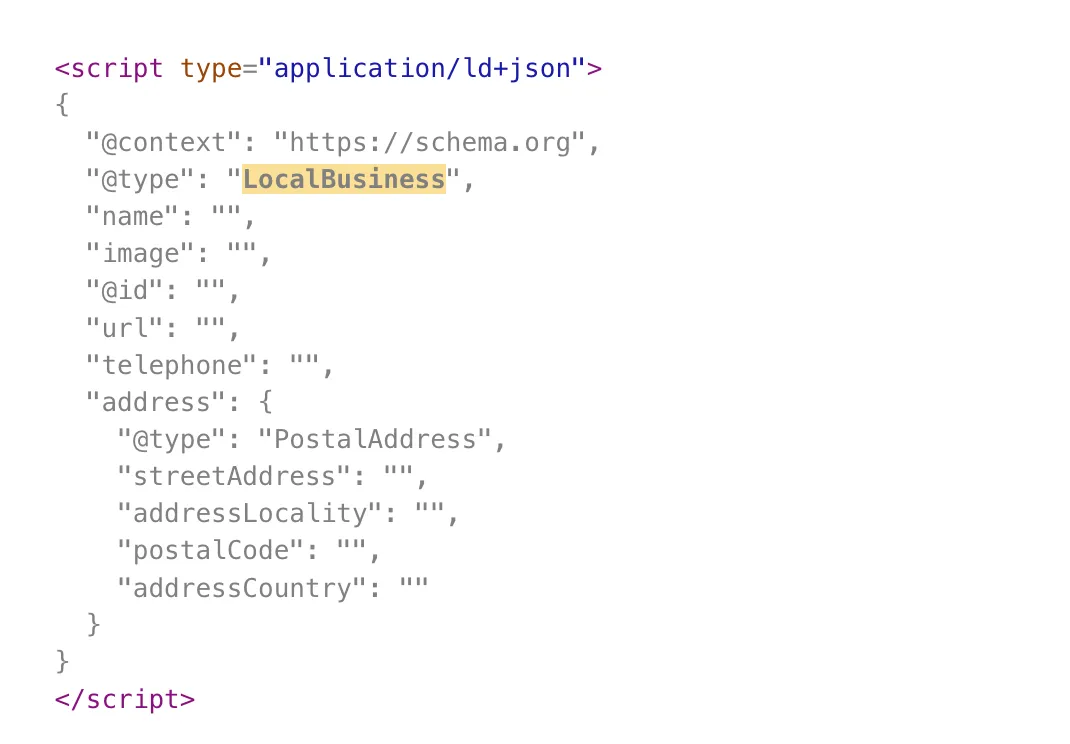
- Structured data (also called schema markup) helps search engines understand specific elements of your content. For home builders, you might use LocalBusiness schema to mark up your business information. This can help you appear in rich results and knowledge panels.
4. Off-Page SEO
Off-page SEO focuses on building your authority and visibility beyond your own website. These signals tell Google that your business is credible and worth showing to searchers.
- Your Google Business Profile is is absolutely critical for home builder local SEO. Claim your profile if you haven't already, then fully optimize it. Add your business hours, service areas, high-quality photos of your work, and detailed descriptions of what you do. Encourage satisfied clients to leave reviews, and respond to all reviews (positive and negative) professionally.
- Set up and maintain social media profiles on platforms where your audience spends time. While social signals aren't a direct ranking factor, they increase your brand visibility and can drive traffic to your site. Share your content, engage with your community, and showcase your completed projects.
- Ensure consistent listings across local directories like Yelp, Houzz, Better Business Bureau, and local chamber of commerce sites. Your business name, address, and phone number (NAP) should be identical everywhere. Inconsistent information confuses search engines and can hurt your local rankings. We recommend using a tool like BrightLocal to streamline this.
5. Create Content
Content is how you attract, educate, and convert potential clients through SEO. The right content strategy positions you as the trusted expert in your market.
- Educational blog content should address the questions and objections your buyers have. What do they wonder about? What concerns keep them from moving forward? Answer these questions thoroughly in your content. Topics might include choosing the right lot, understanding the permitting process, or how to stay on budget during construction.
- Location-based content targets specific markets where you build. Create dedicated pages for each city or region you serve. These pages should explain your services in that area, showcase local projects, and include relevant local keywords. This helps you rank for searches specific to each market.
- Evergreen guides on topics like costs, timelines, permits, and design trends provide long-term value. These comprehensive resources continue to attract traffic year after year. They also position you as an authority who truly understands the home building process.
- Case studies and project showcases demonstrate your capabilities better than any sales pitch. Walk through the challenges, solutions, and results for real projects. Include plenty of high-quality photos and specific details about what made each project successful.
- Video content on YouTube supports your written content and reaches people who prefer watching over reading. Create videos about your process, tours of completed homes, client testimonials, and answers to common questions. Optimize your video titles, descriptions, and tags for search.
- Repurpose long-form content to get more value from your efforts. Turn a comprehensive blog post into social media posts, short videos, infographics, and email newsletter content. This expands your reach across multiple channels.
Use all of your content to demonstrate trust, expertise, and authority. Show that you understand the home building process inside and out. Share insights that only an experienced builder would know. Build confidence that you're the right choice for their project.
6. Build Backlinks
Backlinks (links from other websites to yours) are one of the strongest ranking signals. They tell Google that other sites consider your content valuable enough to reference.
- The most sustainable approach is to create high-quality content that naturally attracts links. When you publish genuinely helpful, comprehensive resources, other sites will link to them as references. This might include in-depth guides, original research, or unique insights about the home building industry.
- Outreach to local publications, industry blogs, and partners can earn you valuable links. Share your expertise with local news sites covering real estate or construction. Contribute insights to industry publications. Partner with complementary businesses like architects or interior designers who might link to your site.
- Guest posting on relevant construction, real estate, or local sites puts your expertise in front of new audiences while earning backlinks. Focus on quality over quantity. One link from a highly relevant, authoritative site is worth more than dozens of low-quality links.
- Become a quoted source for journalists and bloggers through platforms like Featured (featured.com). Journalists constantly need expert sources for their articles. When you provide helpful quotes, you often earn a link back to your site.
- Sponsorships, local events, and community involvement create opportunities for earned links. Sponsor a local charity event, participate in community initiatives, or host educational workshops. Organizations often link to sponsors and partners on their websites.
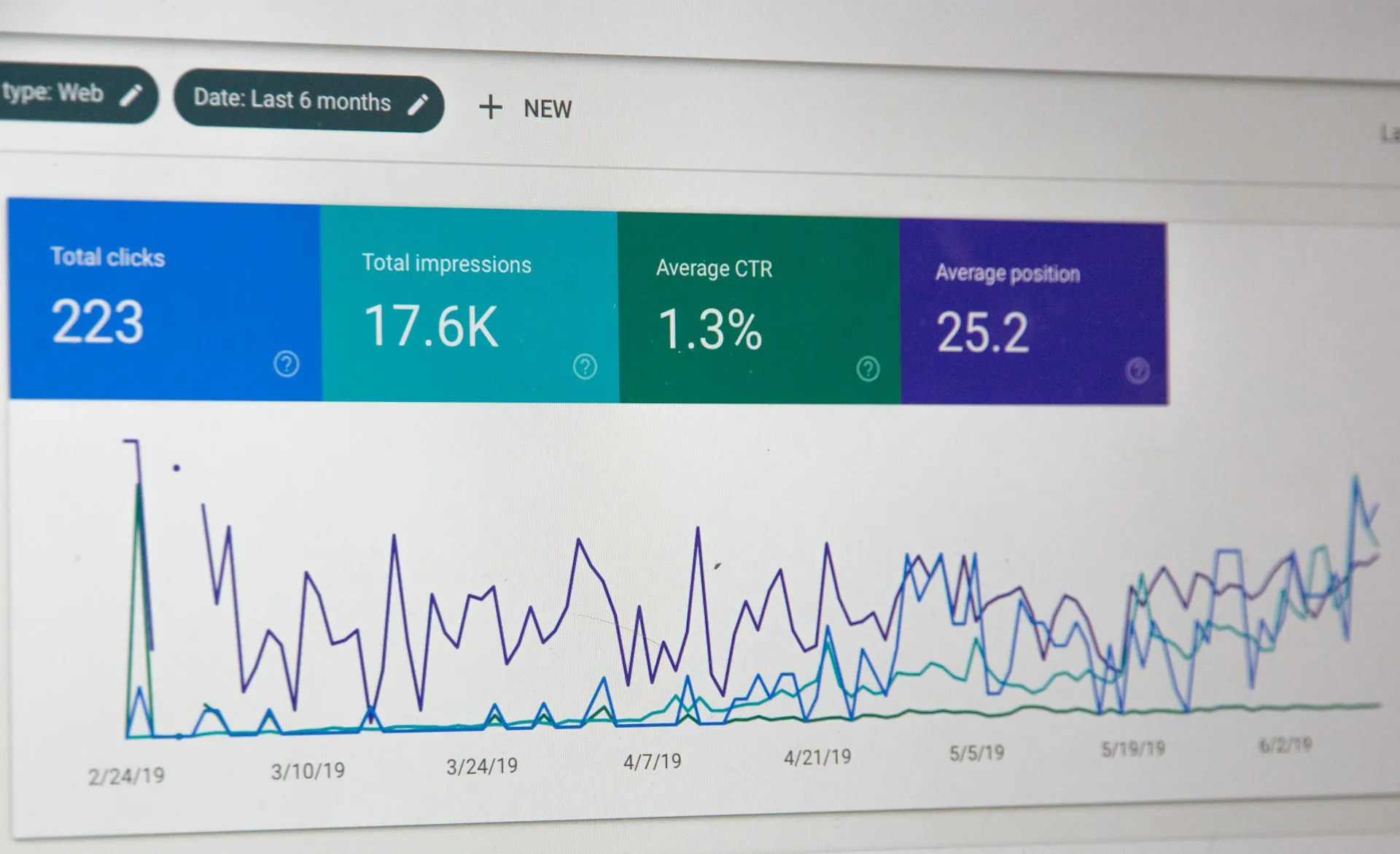
7. Measure Performance
You can't improve what you don't measure. Tracking the right metrics helps you understand what's working and where to focus your efforts.
Google Search Console shows you exactly how your site appears in search results:
- Track impressions (how often your pages show up in search)
- Monitor clicks (how often people click through)
- Watch your click-through rate (CTR)
- Check position rankings for your target keywords
- Identify indexing issues
- Review mobile usability reports
Google Analytics reveals what happens after people land on your site. Set up goal tracking and conversions to measure specific actions like form submissions or phone calls. Analyze traffic sources to see which channels bring the most visitors. Study user behavior flow to understand how people navigate your site. Connect phone call tracking to see which pages drive phone inquiries.
SEO tools provide deeper insights into your webiste's performance and competitive landscape. Free versions of Ahrefs Webmaster Tools and Semrush offer rank tracking, backlink monitoring, and basic competitor analysis. These tools help you understand where you stand compared to other builders in your market.
Key metrics to track:
- Organic traffic growth (are you getting more visitors from search over time?)
- Keyword rankings (are you moving up for your target terms?)
- Conversion rate from organic traffic (are searchers becoming leads?)
- Leads from SEO (are these the right kinds of clients?)
Create a monthly reporting and adjustment strategy. Review your metrics once a month to identify trends and opportunities. What's working well? What needs attention? Use these insights to refine your strategy and prioritize your efforts.
Common Home Builder SEO Mistakes
Even with the best intentions, many builders make mistakes that limit their SEO success. Avoid these common pitfalls.
- Targeting only broad competitive keywords instead of low-competition local keywords sets you up for frustration. Yes, ranking for "custom home builder" would be great, but the competition is fierce and you probably only serve specific areas anyway. Focus on "custom home builder [your city]" or even more specific long-tail variations.
- Creating thin or generic content won't help you rank or convert visitors. Google can spot low-quality content that doesn't provide real value. Your content should be comprehensive, specific to your expertise, and genuinely helpful to readers. Avoid generic statements that could apply to any builder anywhere.
- Failing to update or maintain content over time means your site becomes stale and outdated. Search engines favor fresh, current content. Review and update your important pages regularly. Add new information, refresh old statistics, and ensure everything is still accurate and relevant.
- Not tracking conversions or leads means you're flying blind. You might be getting traffic, but are those visitors becoming leads? Set up proper tracking so you know which efforts are actually driving business results. Traffic alone doesn't pay the bills.
- Expecting immediate results from SEO leads to disappointment and premature abandonment of your strategy. SEO is a long-term play. You might see some early wins, but significant results typically take 3-6 months or longer depending on your competition and starting point. Stay consistent and patient.
Conclusion
A comprehensive home builder search engine optimization strategy isn't optional anymore, it's the foundation of how your potential clients find and evaluate builders in today's digital marketplace.
Start with the fundamentals. Get your keyword research right, optimize your existing pages, claim and optimize your Google Business Profile, and begin creating helpful content. As you build momentum, layer in more advanced tactics like link building and technical optimization.
The builders who invest in SEO now will have a significant advantage as the competition continues to increase. Every month you wait is another month of leads going to competitors who show up in search results.
Your ideal clients are searching right now. Make sure they find you.
Need an SEO Expert?
Implementing a full home builder SEO strategy takes time, expertise, and consistent effort. If you're already running a busy construction business, you might not have the bandwidth to handle SEO effectively on your own.
Working with an SEO expert who understands the home building industry can accelerate your results and avoid costly mistakes. They can handle the technical details, create your content strategy, and build the backlinks you need while you focus on what you do best: building amazing homes. Contact us for a free consultation.